Who can apply?
We welcome Expressions of Interest from people who can bring a patient or lived-experience perspective to the NANOBEAT project, including:
You do not need scientific or medical training to apply. What matters most is your lived experience, your willingness to share your perspective, and an interest in helping researchers understand what is important to patients.
What is the NANOBEAT project?
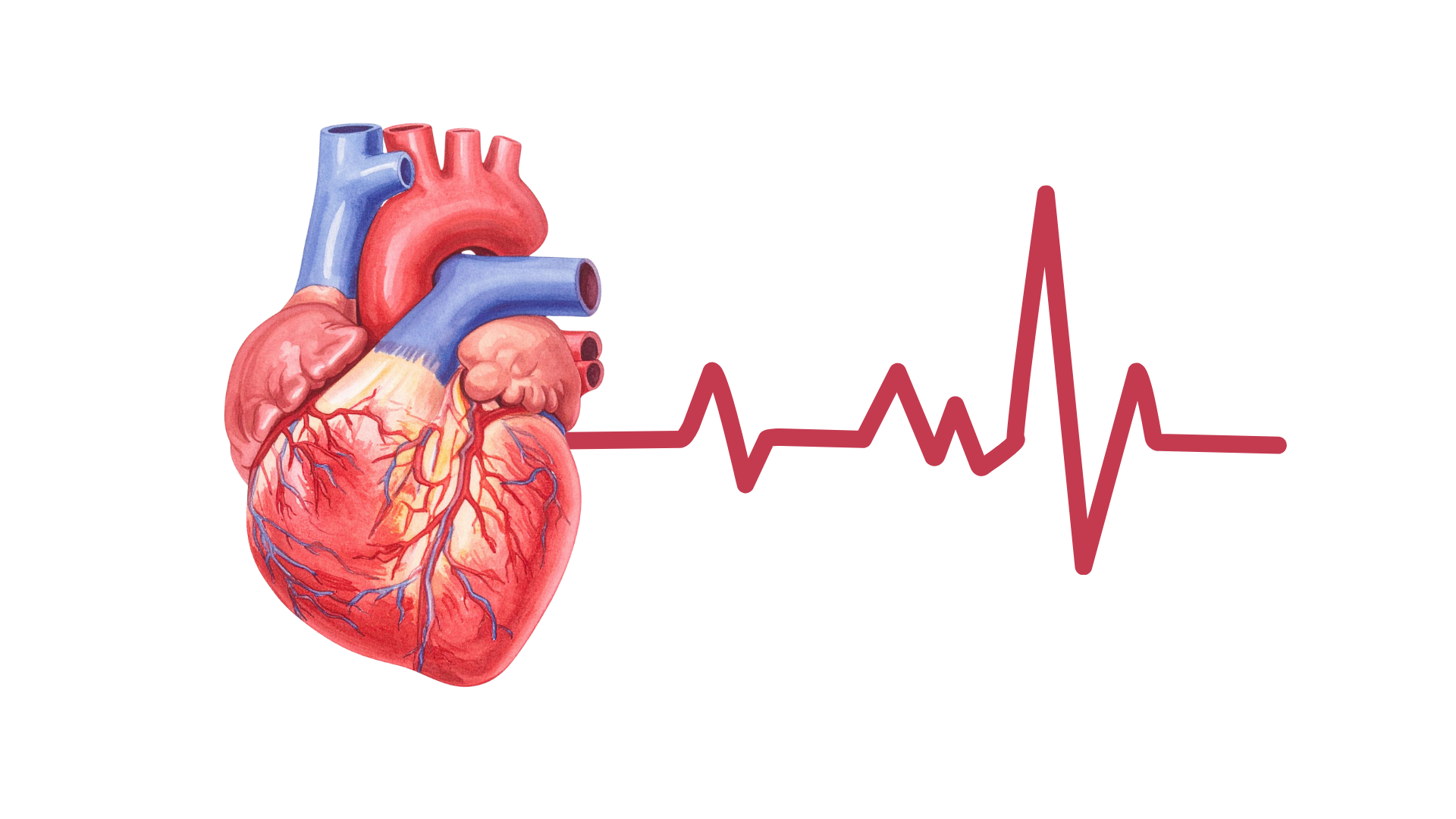
NANOBEAT is a European research effort aiming to develop a completely new way to help people whose hearts don’t conduct electrical signals properly, such as in atrial fibrillation (AF) and bundle branch blocks, conditions that affect how the heart beats and can lead to symptoms like palpitations, fatigue, dizziness, heart failure, stroke and reduced quality of life.
Why is this important?
What is NANOBEAT trying to do?
The project is working to create a new medical technology, a special conductive material that could be inserted into the heart using a minimally invasive procedure (a catheter). This material is designed to:
In simple terms: the goal is to fix the wiring of the heart in a way that current therapies do not. Instead of just managing symptoms, this approach aims to repair the problem at its source.
Who is involved?
The project brings together scientists and engineers from several European research centres and companies, including academic hospitals and medical technology partners.
What is the long-term goal?
Have your say and complete the Expression of Interest for the Patient Advisory Board application form.