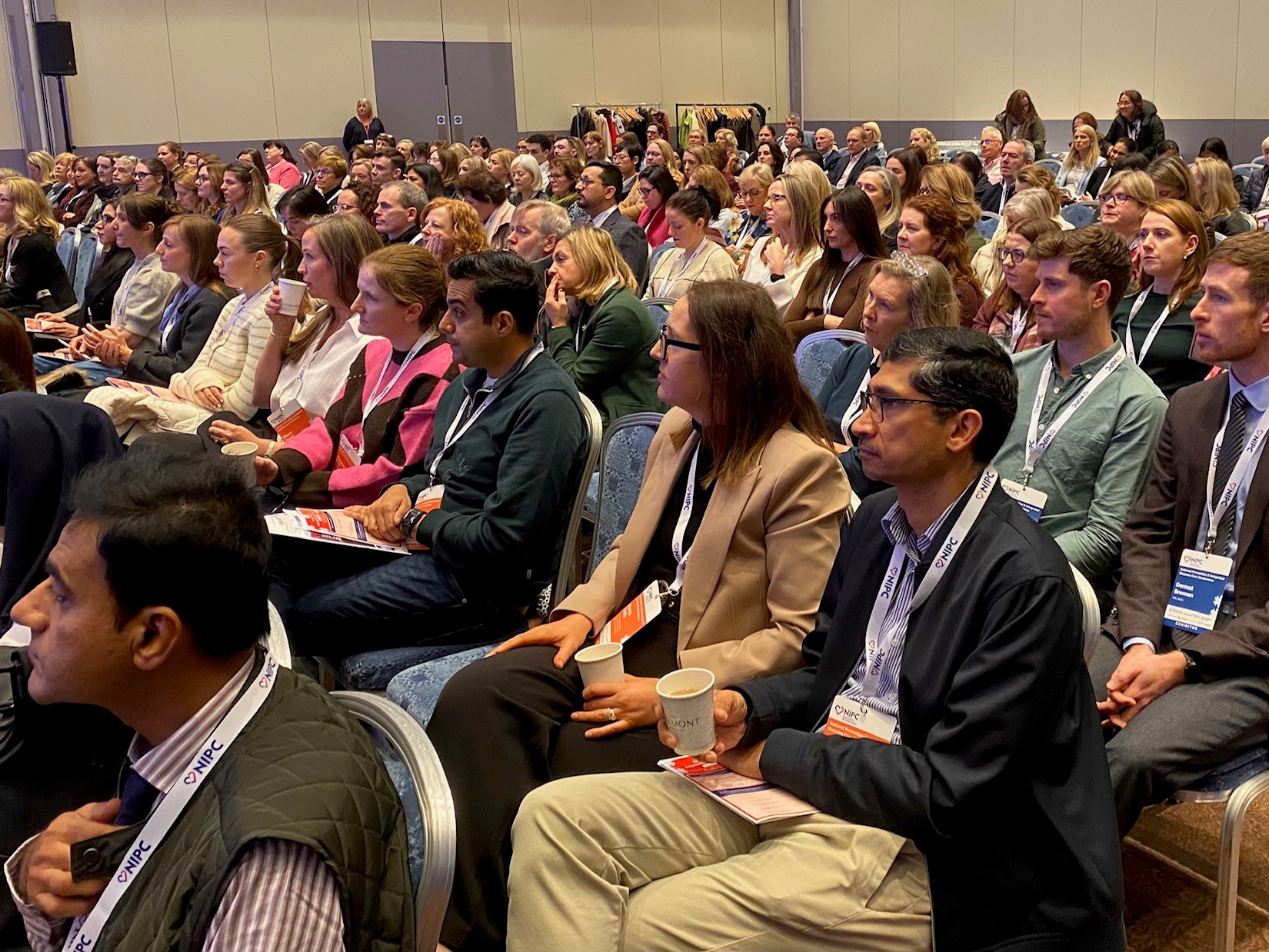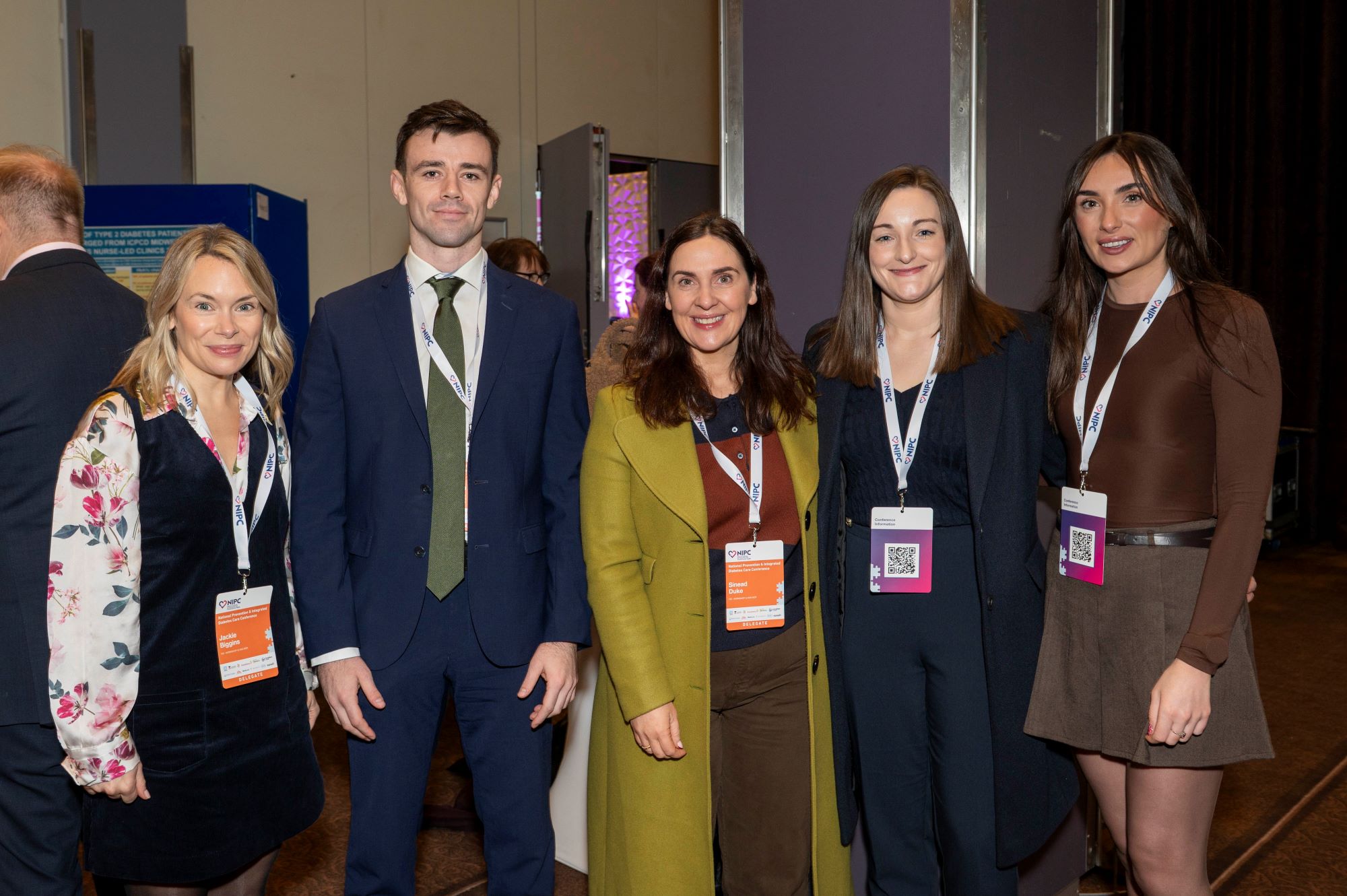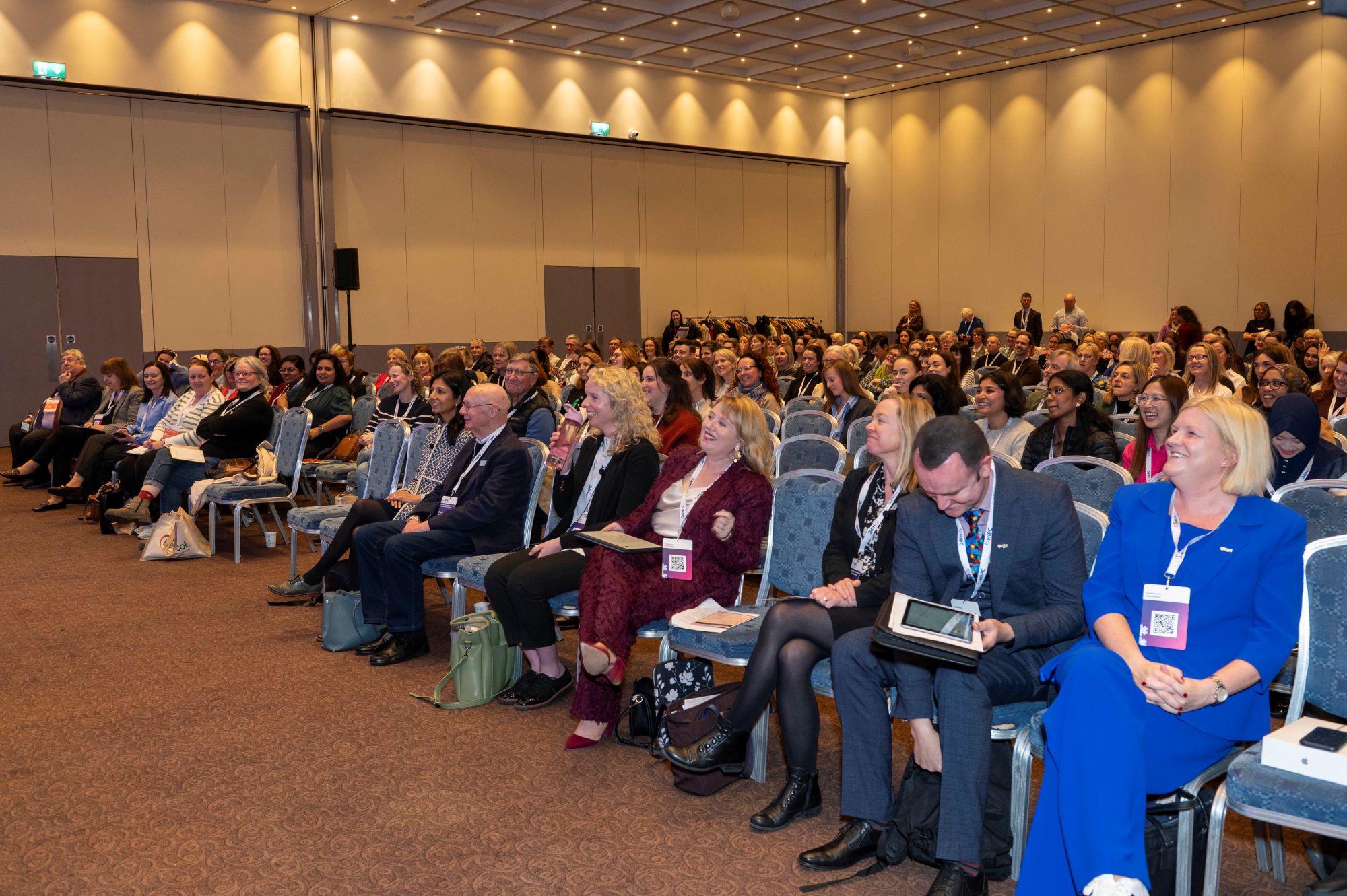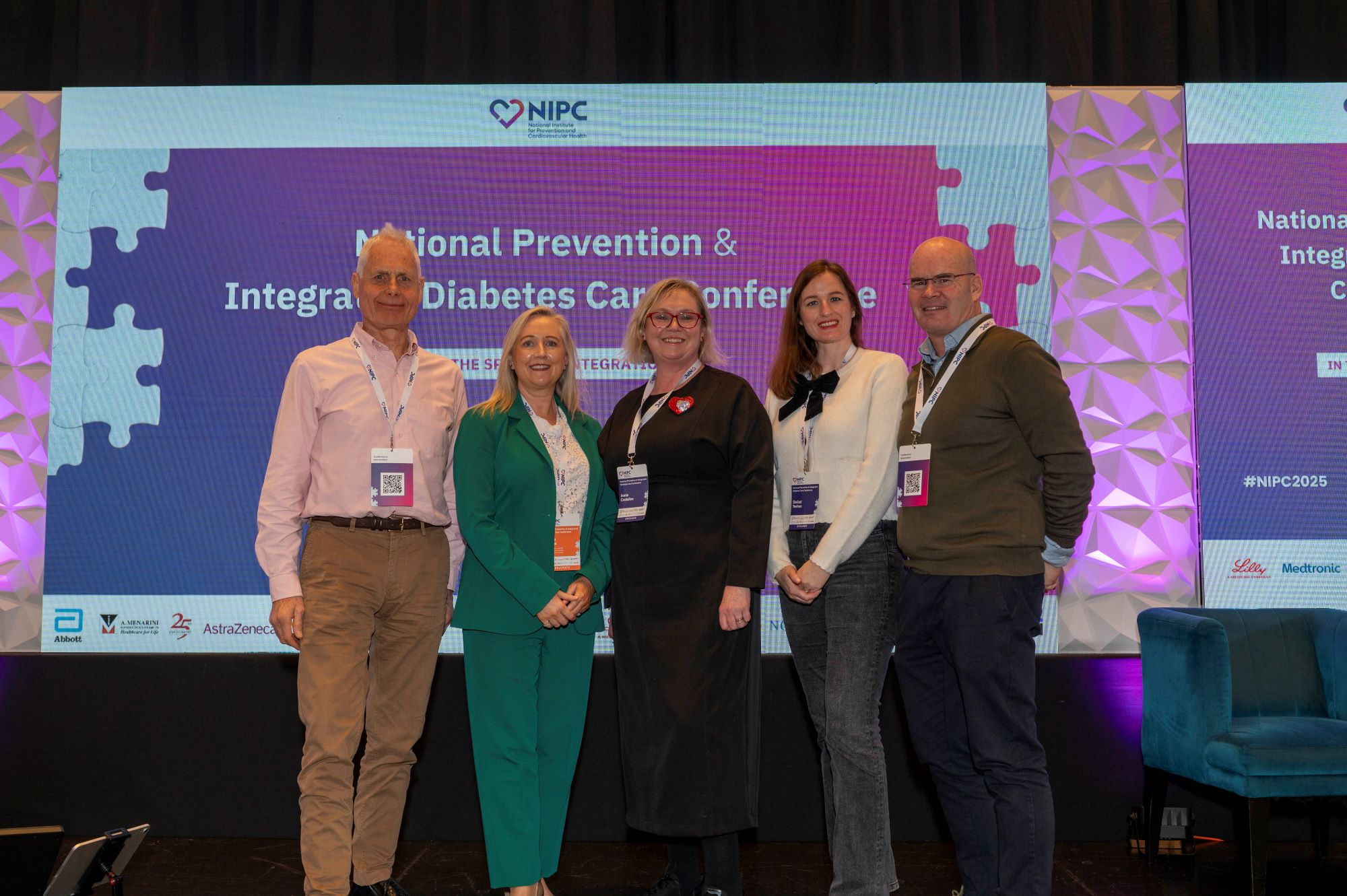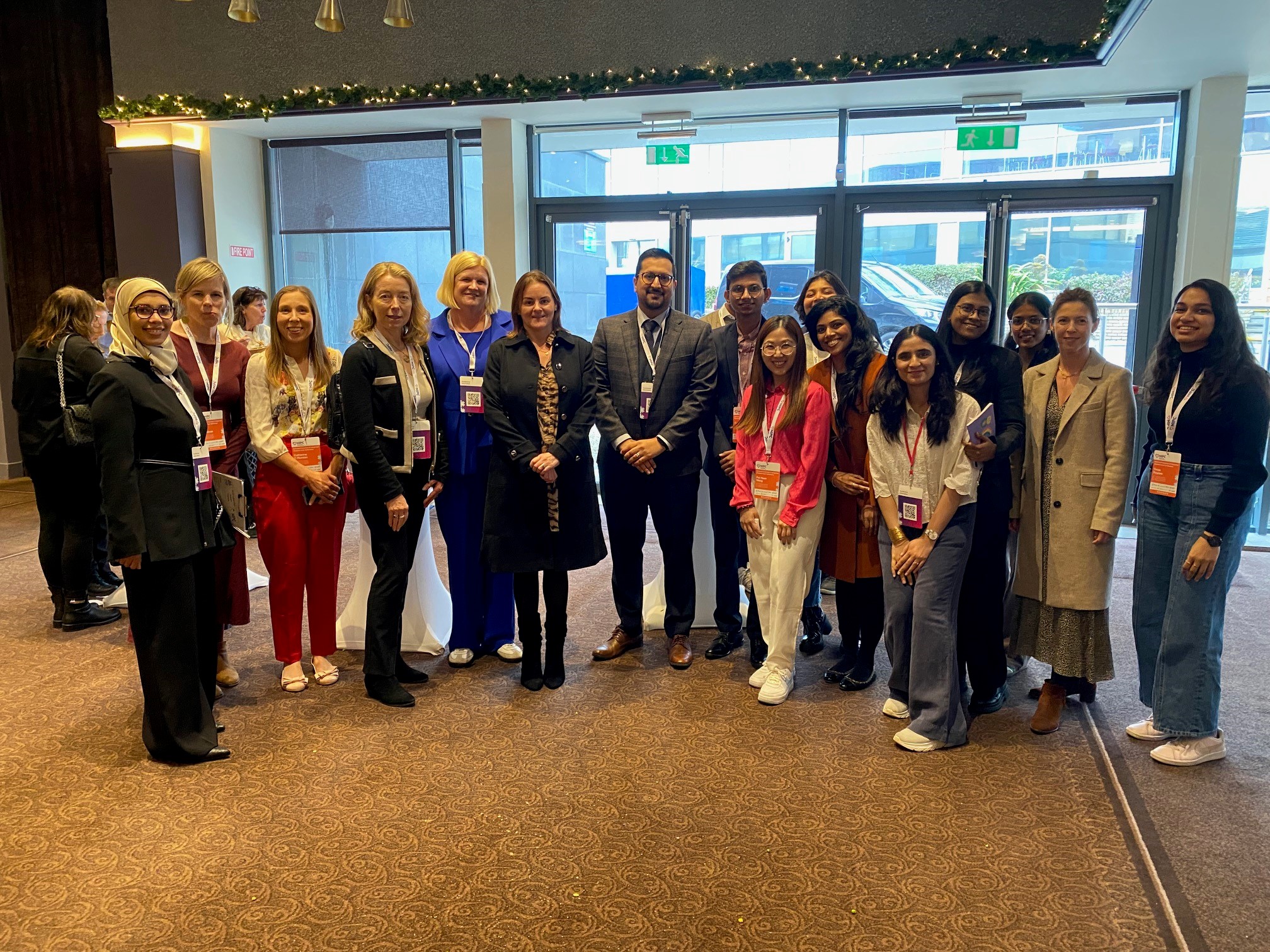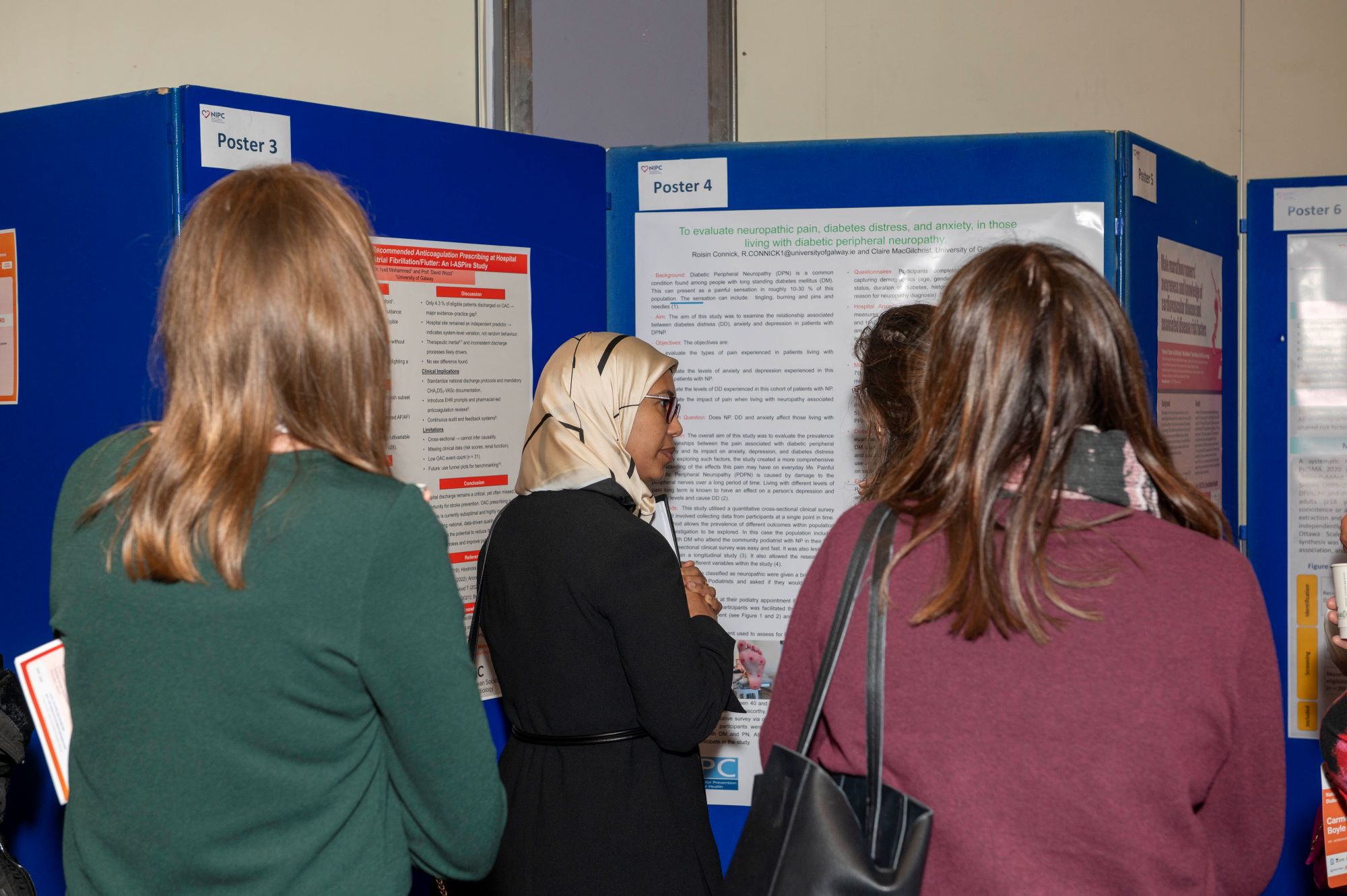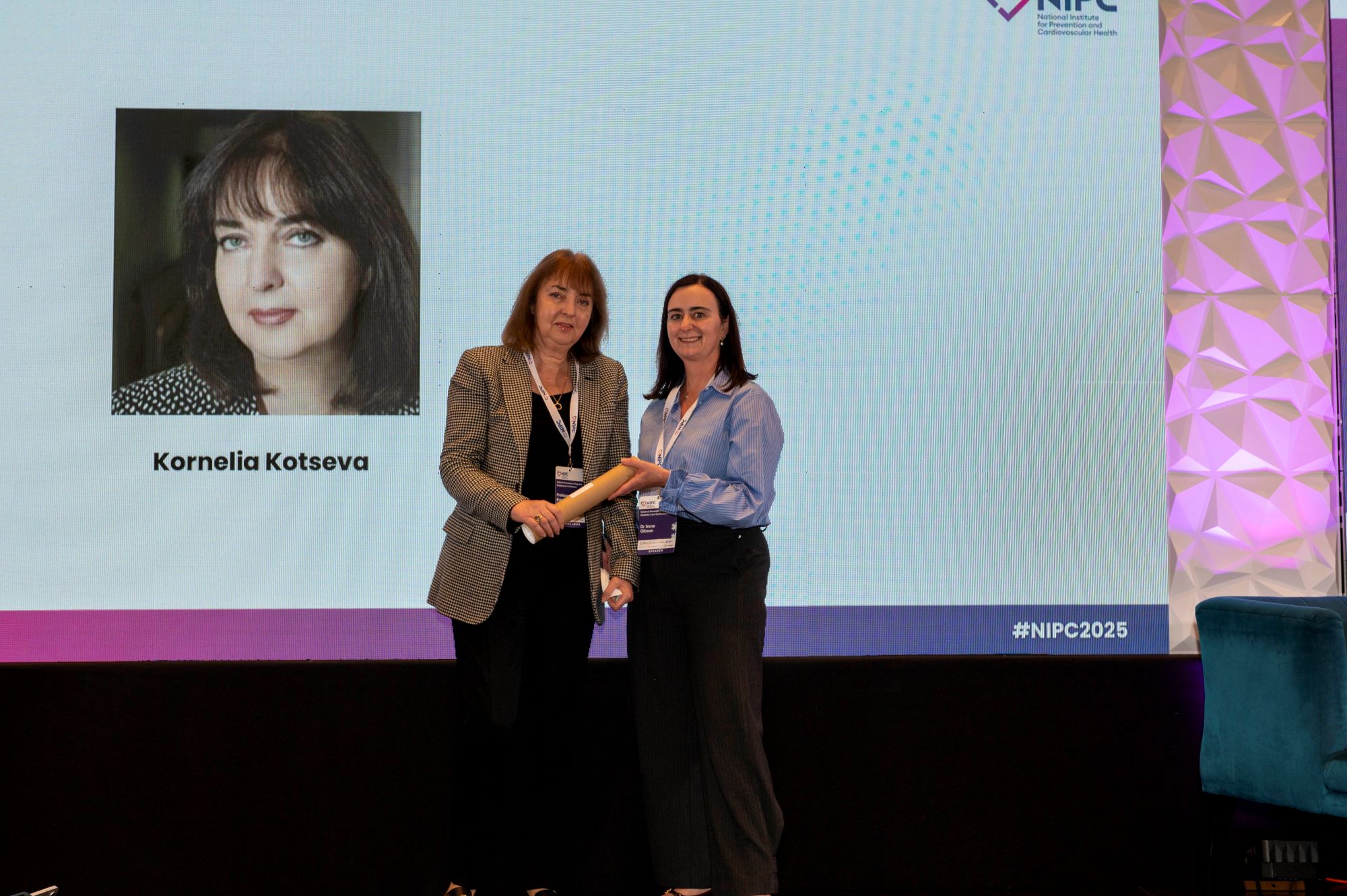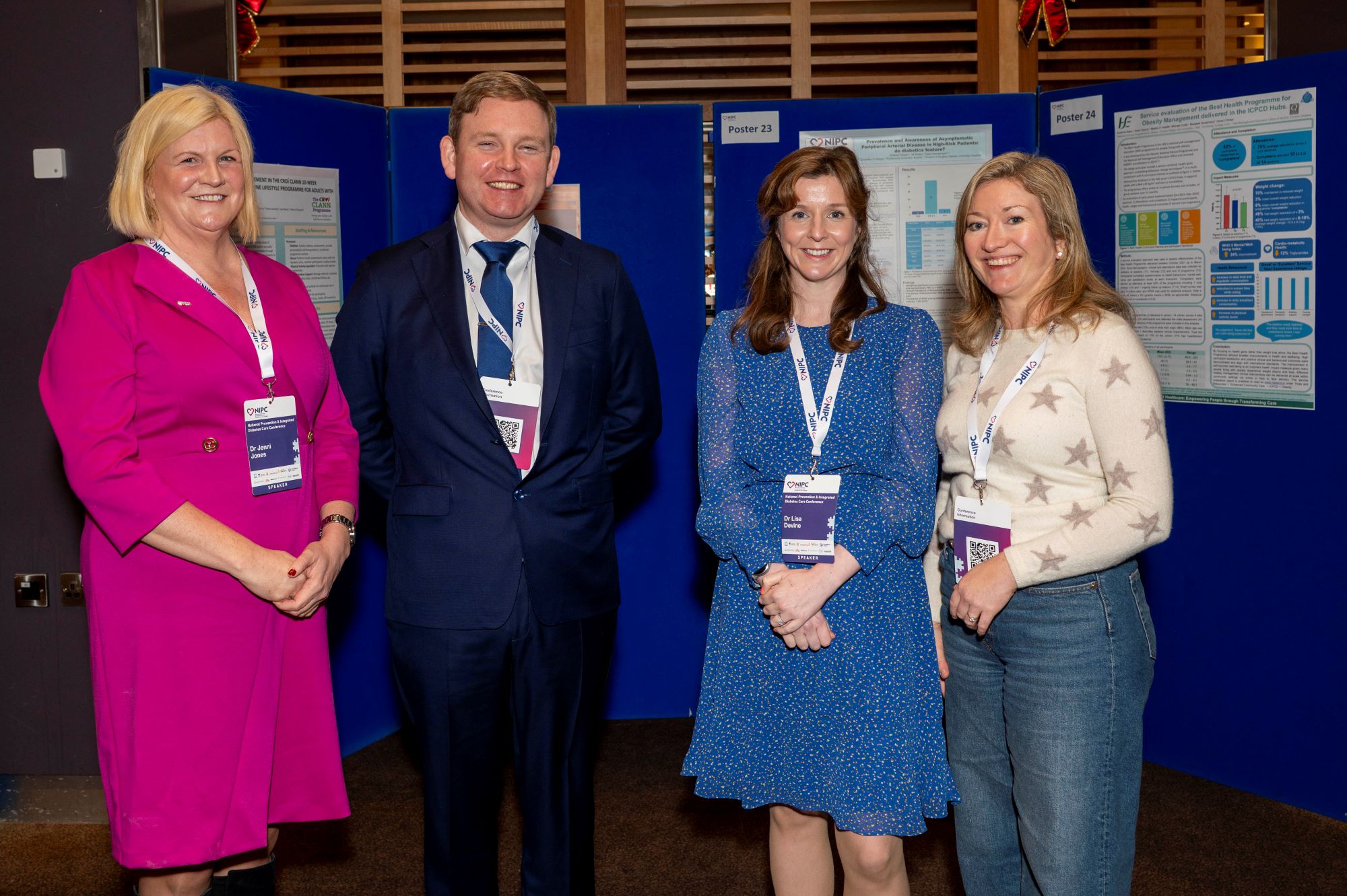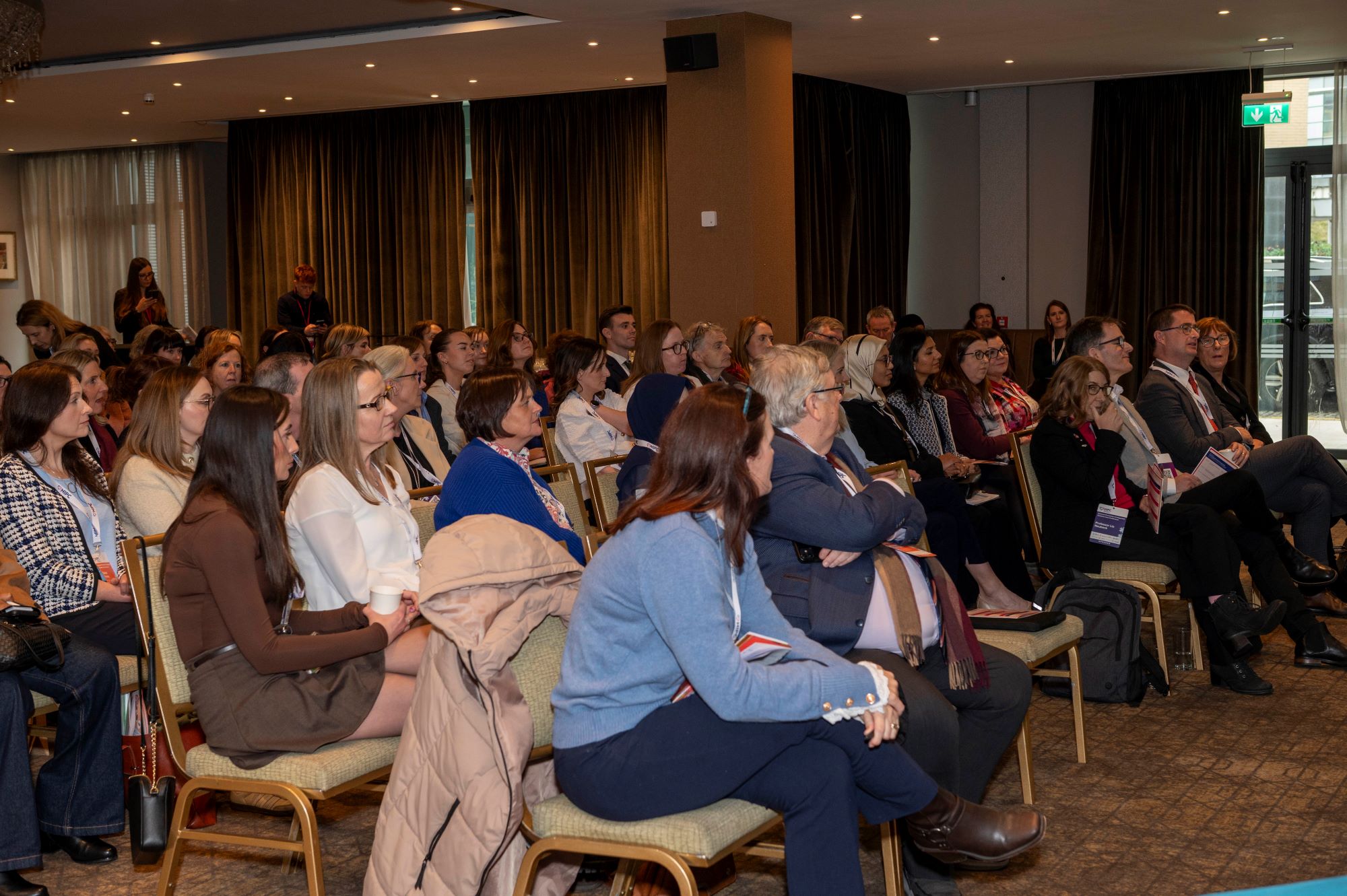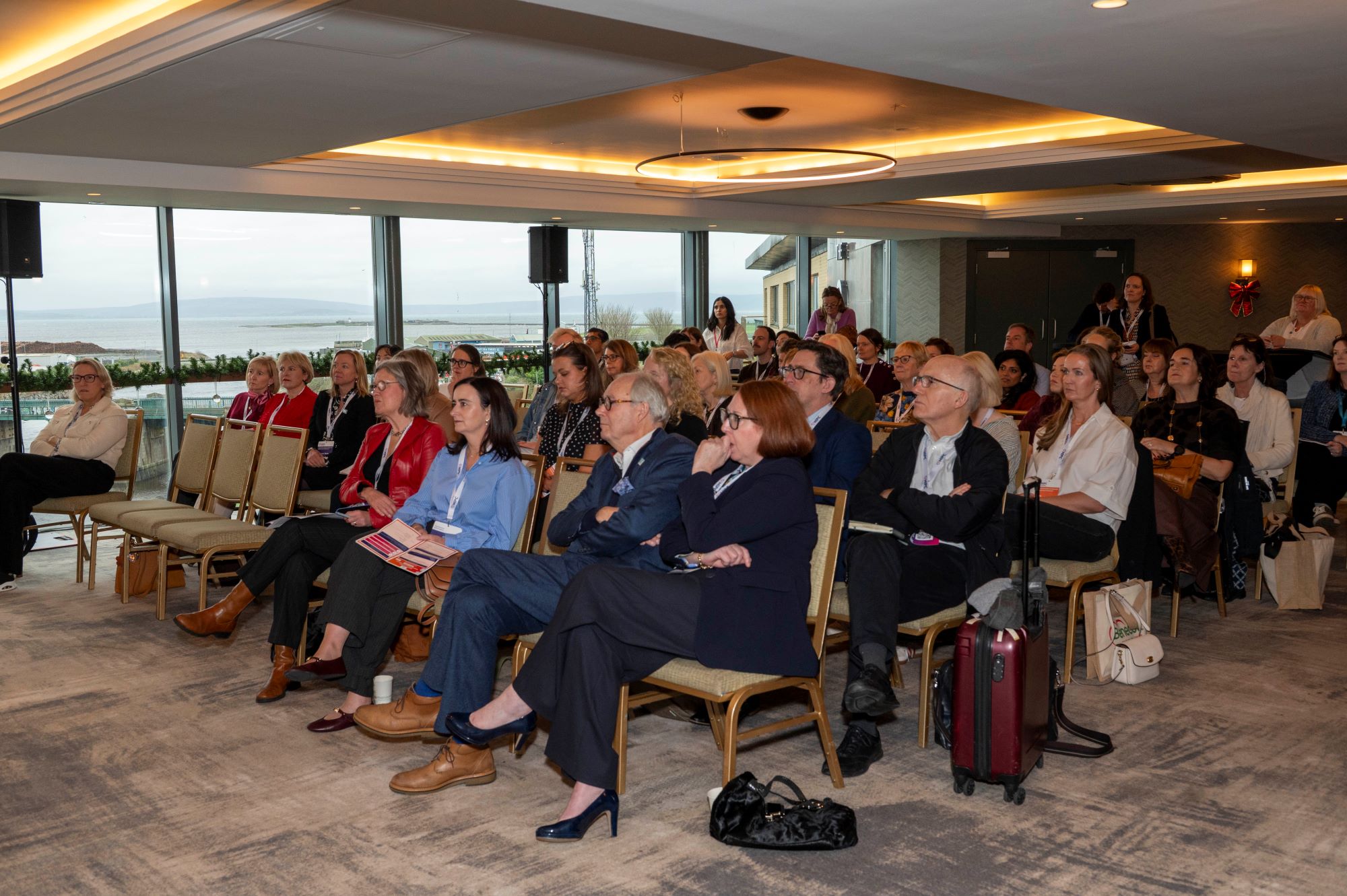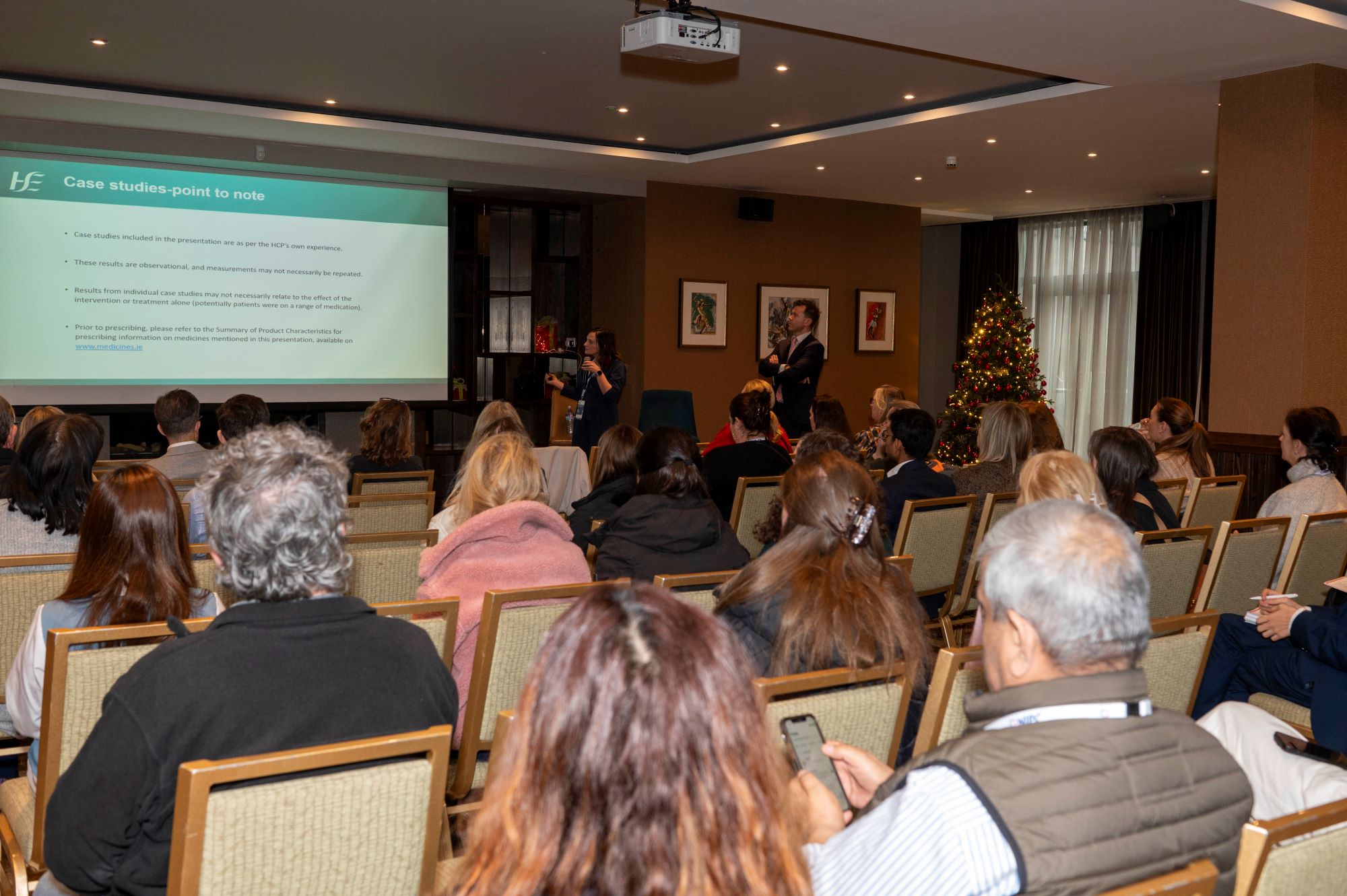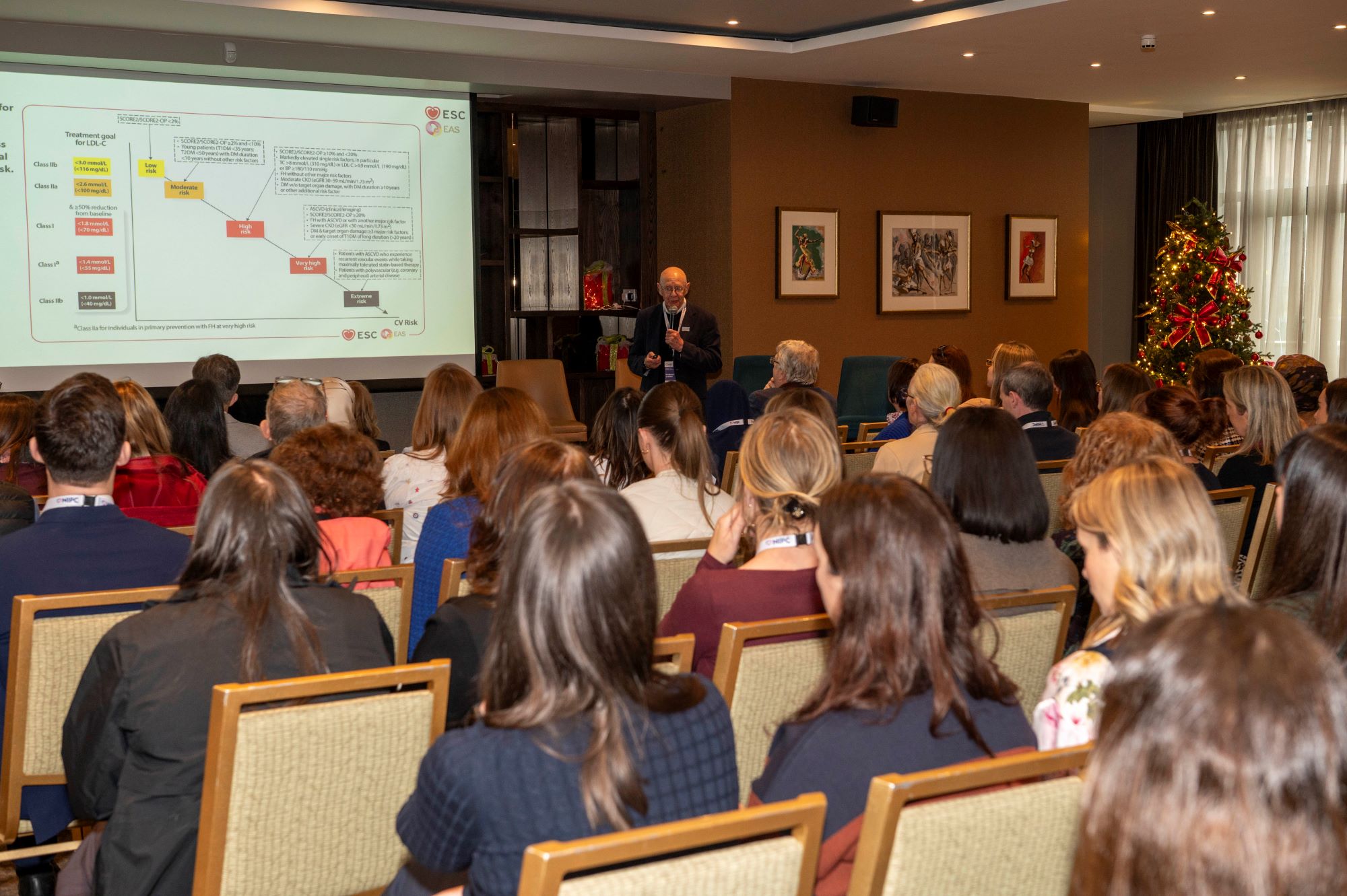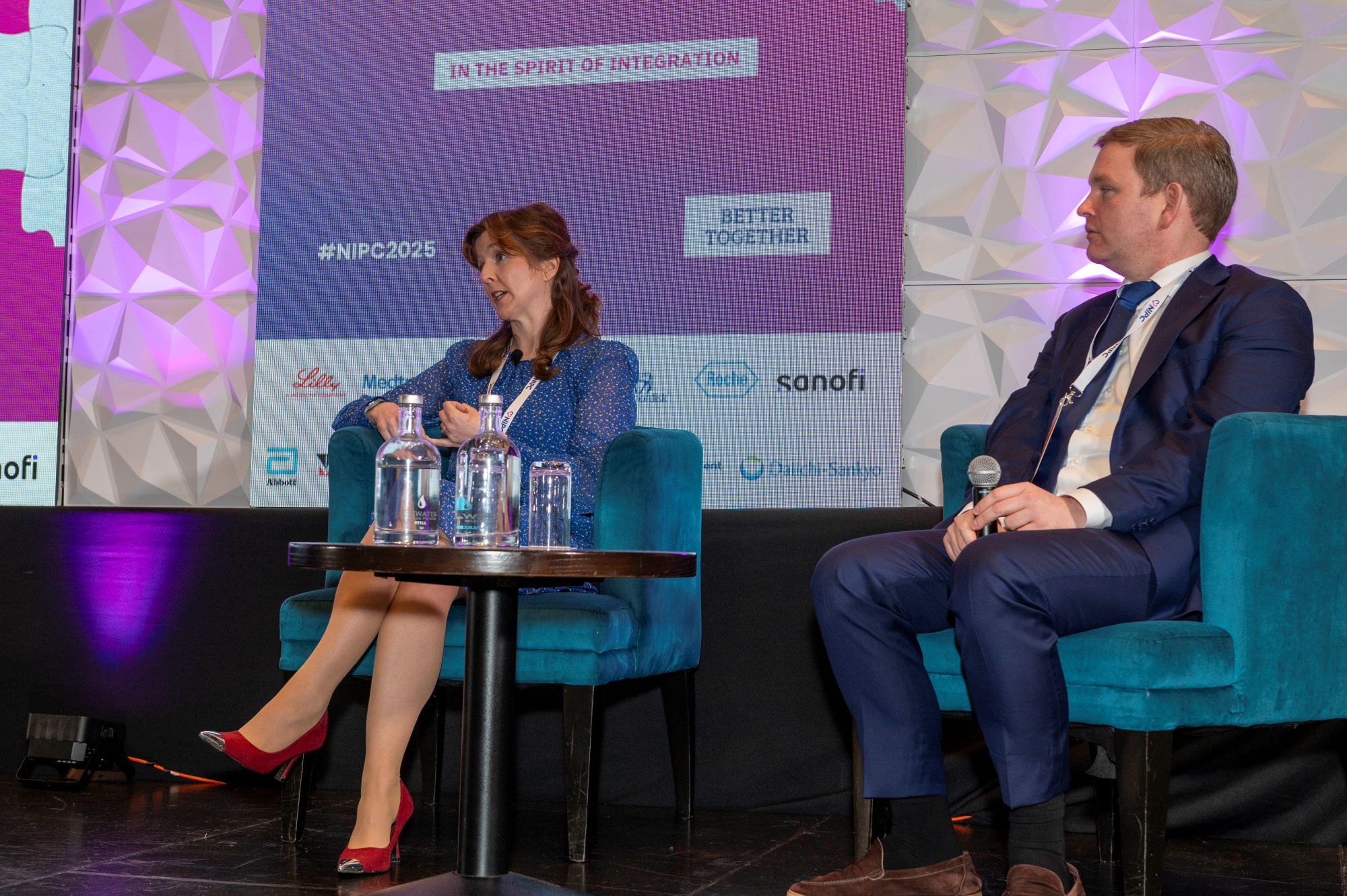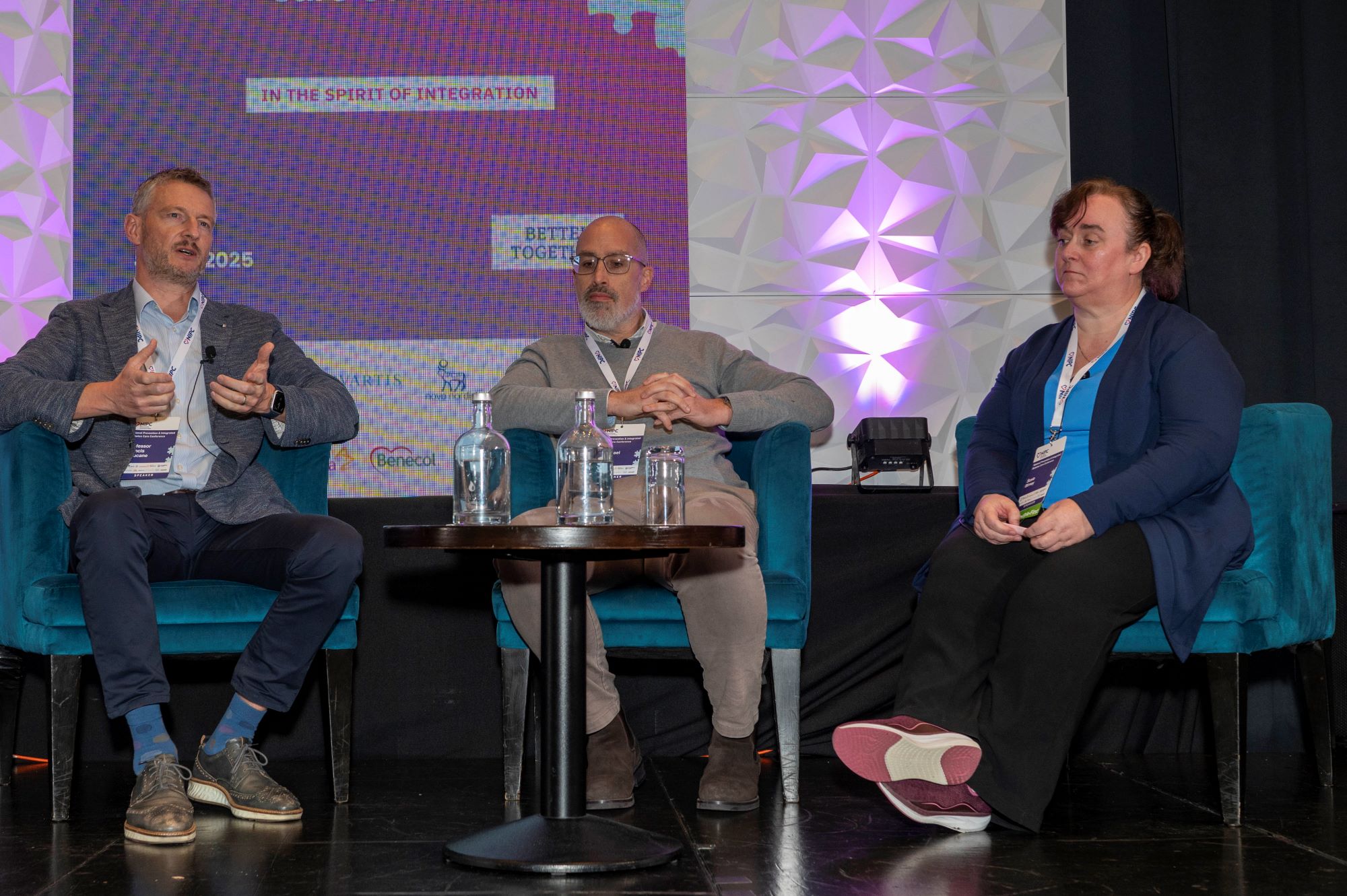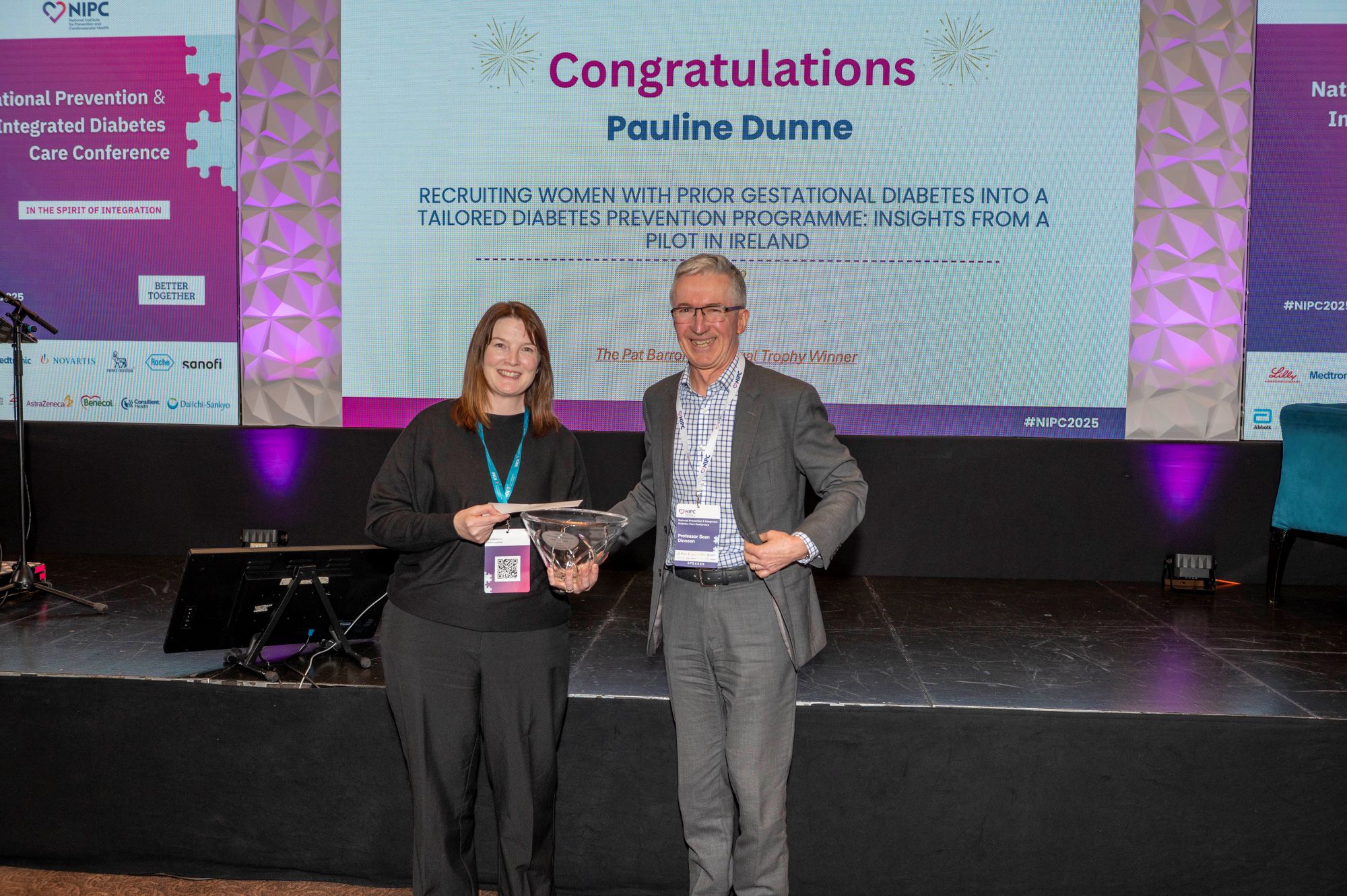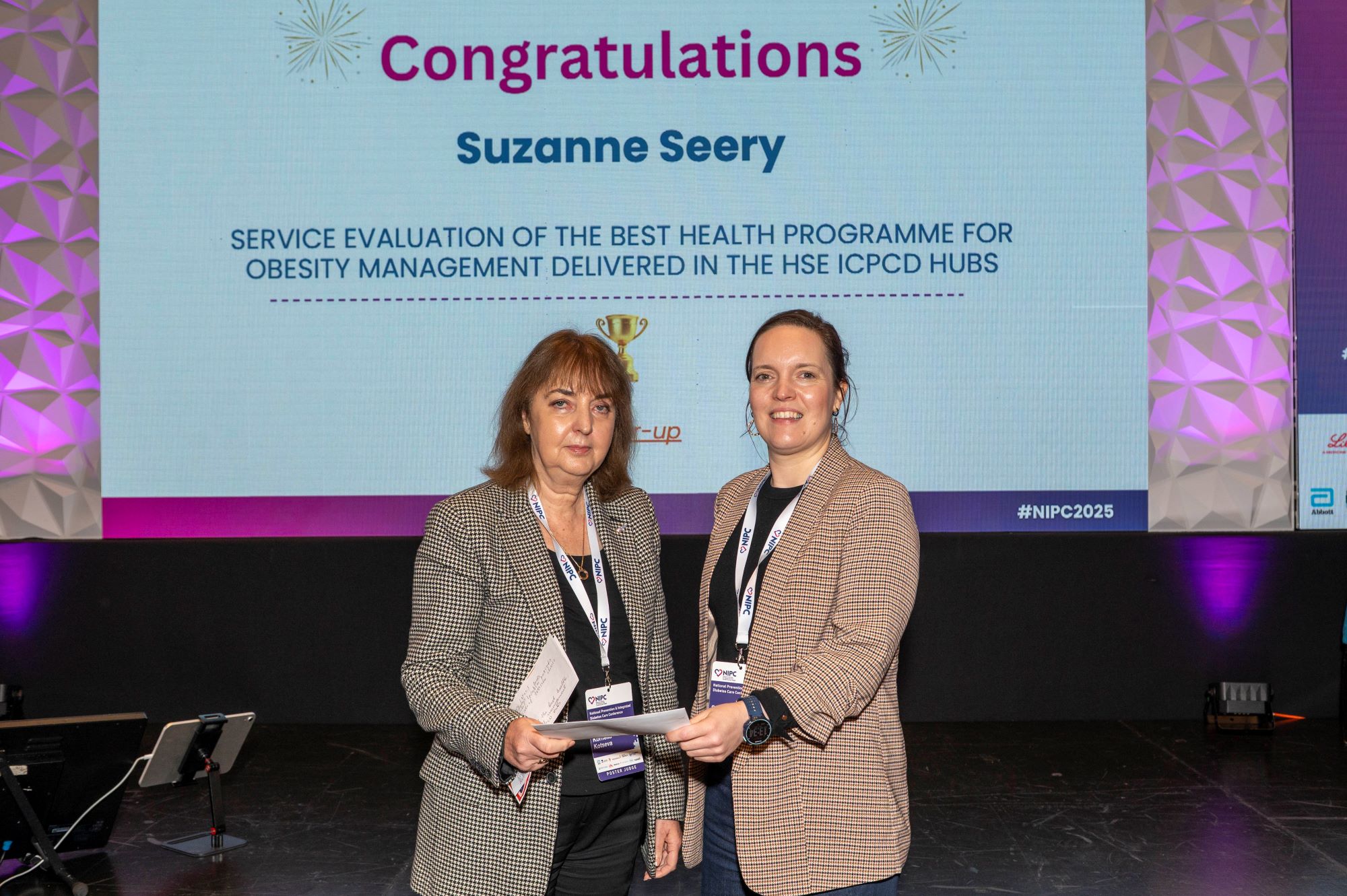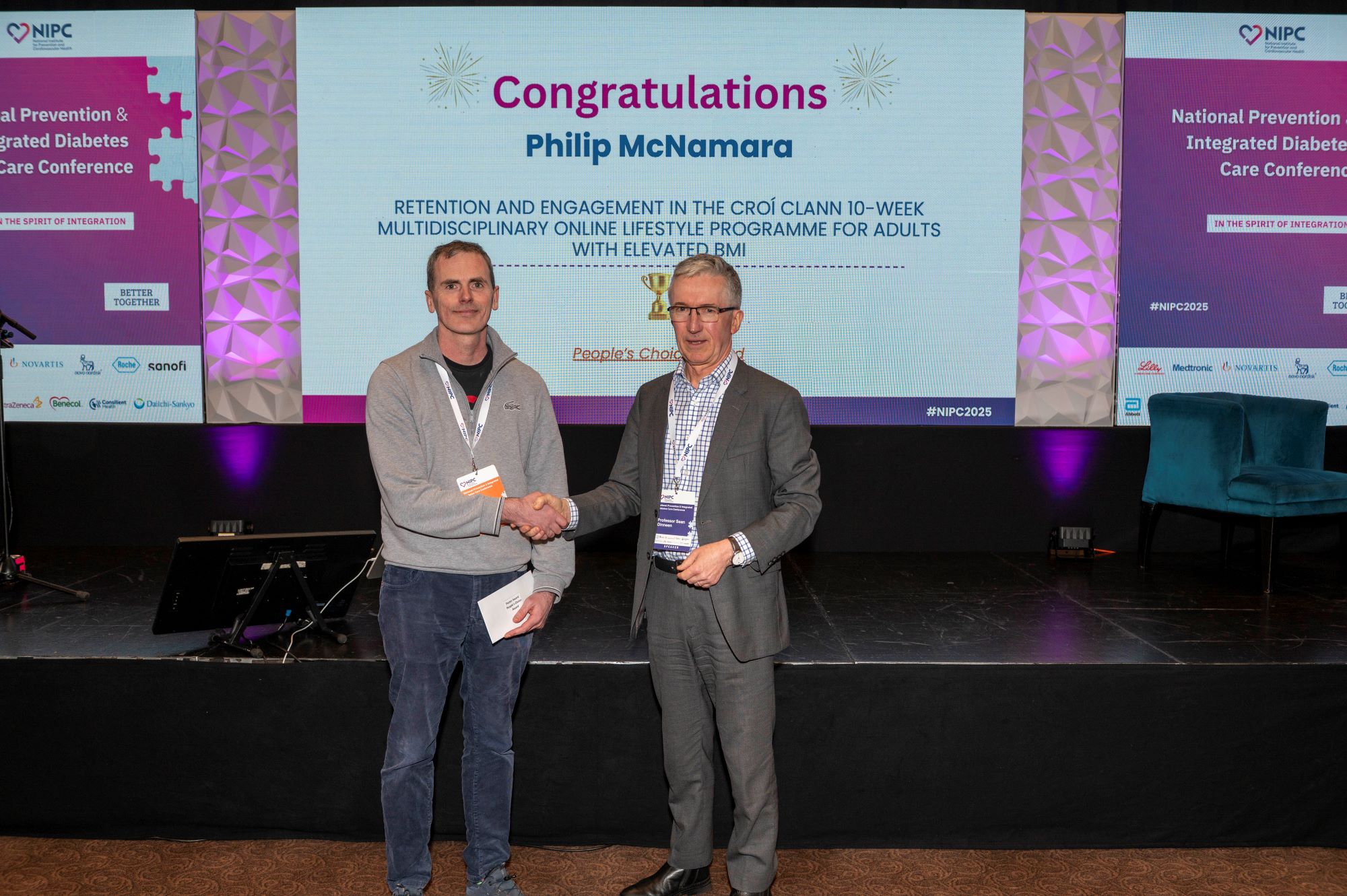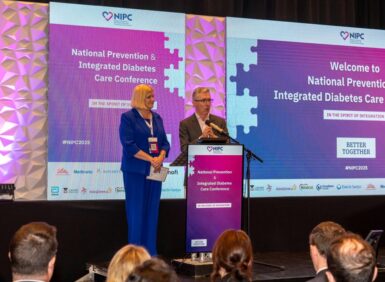
The National Prevention & Integrated Diabetes Care Conference, held on the 14th and 15th of November at The Galmont Hotel in Galway, brought together leaders from cardiovascular prevention, diabetes care, public health, behavioural science, nursing, and integrated care systems. Over two insightful days, delegates explored how collaboration and innovation can transform patient outcomes, captured in this year’s theme, “In the Spirit of Integration – Better Together.”
The conference opened with a warm welcome from Dr Jenni Jones, Director of Training and Education, NIPC and Professor Sean Dinneen, Consultant Endocrinologist and Senior Lecturer, University of Galway, as they highlighted the importance of this landmark event, setting an ambitious tone for two days centred on partnership, integration and progress.

The first plenary session, Revolutionising Cardiovascular, Diabetes and Chronic Disease Management Care, chaired by Professor Bill McEvoy, Medical and Research Director, NIPC; Consultant Cardiologist, University of Galway and Dr Sarah B. O’Brien, National Lead: Healthy Eating & Active Living Programme, Health & Wellbeing, HSE, featured national clinical leads providing the latest updates on national programmes, such as:
Each presentation highlighted the growing impact of integrated clinical models, demonstrating how unified pathways can improve patient care and population health.
A keynote address from Professor Rhian Touyz, Executive Director and Chief Scientific Officer, the Research Institute of the McGill University, Canada, offered a compelling exploration of whether blood pressure management could serve as a “silver bullet” across multiple conditions—reinforcing the value of shared risk-factor approaches in chronic disease prevention.
Delegates then engaged in multiple breakout workshops that bridged research and frontline care with topics ranging from women’s heart health and digital rehabilitation to stroke prevention, patient engagement and mental health. Participants were immersed in practical examples of community-rooted approaches to upstream prevention, how data drives real-world improvement and listened to patient advocates, Richard Mindham and Michael Madigan, Patient Advocate, ESC Patient Forum as they explored how collaborative decision-making can help patients living with multiple chronic conditions.
After some networking and a healthy lunch Session 2: Keynotes in Cardiometabolic Disease and Circulatory Health, consisted of some of the most rapidly evolving topics in prevention. Professor Molly Byrne, Professor of Health Psychology, University of Galway and Dr Lisa Hynes, Head of Health Programmes, Croí, Galway, opened the session with an honest and open discussion on Cardiovascular Disease and Mental Health: A Dangerous Duo?
Dr Conor Judge, Consultant Nephrologist, Electronic and Computer Engineer, University of Galway, then took a forward-looking perspective on Will Artificial Intelligence Revolutionise Preventive Care and Disease Management?
Dr Jaimini Cegla, Consultant Chemical Pathology and Metabolic Medicine, Imperial College Healthcare NHS Trust, followed with a deeply practical and timely update on Lp(a), a genetic risk factor gaining increasing clinical attention, with her presentation Lp(a): What Every Practitioner Should Know.
Dr Caoimhe Hartley then brought the focus to women’s health, addressing Menopause, Obesity in Menopause and HRT through an integrated, evidence-based lens. The session concluded with a lively panel discussion that captured the excitement and complexity of this rapidly moving area, underscoring the importance of multidisciplinary collaboration in shaping the next chapter of cardiometabolic and circulatory health.
Day two opened with Professor Jackie Sturt, Professor of Behavioural Medicine in Nursing, King’s College London, opened with a keynote address Detecting and Managing Diabetes Distress, which emphasised the need for compassionate, personalised and integrated long-term care.
The focus for day 2 was on diabetes in the context of Diabetes in an Era of Older Age, Frailty and Multiple Long-Term Condition Management. Sessions included;
Living with Diabetes & Multiple Other Conditions: Patient Perspectives: Dr Eamonn O’Shea, ICGP Lead for Cardiovascular Disease, National Heart Programme.
Latest Data, Current Innovations & Future Perspectives in a New Era of Diabetes: Dr Lisa Devine, ICGP/HSE GP Integrated Care Lead for Diabetes.
The Power to Change a Person’s Life Story: Dr Tomás Griffin, Consultant Endocrinologist, University Hospital Galway.
Day 2’s workshops provided delegates with focused, practical learning across three key areas of diabetes care. Professor Jackie Sturt, Professor of Behavioural Medicine in Nursing, King’s College London, led a powerful session on What do you do in a Clinical Setting to Detect and Manage Diabetes Distress? Focusing on recognising and managing diabetes distress, offering tools that clinicians can immediately apply in practice. Emily Madden, Clinical Specialist Podiatrist, Sligo University Hospital and Siobhán Hanley, Specialist Podiatry CDM Hub, emphasised the impact of coordinated, integrated pathways in their workshop The Diabetic Foot; a Multi-Disciplinary Integrated Team Approach. Meanwhile, Dr David Tansey, Integrated Care Consultant Lead for Diabetes Services, Benbulbin Integrated Care Hub, Sligo, and Siobhán Mitchell, RANP Diabetes, Integrated Care, tackled the growing challenge of Young-Onset Type 2 Diabetes through real-life case discussions.
Together, these sessions equipped attendees with valuable insights to enhance early intervention, patient support and integrated care.
The conference also featured an obesity-focused panel discussion examining some of the Biggest Controversies in the Management of Obesity. Dr Michael Crotty, ICGP Lead for Obesity, Professor Francis Finucane, Consultant Endocrinologist, Galway University Hospitals and Susie Birney, Executive Director, Irish Coalition of People Living with Obesity shared an open, honest and frank discussion which underscored the complexity of obesity as a chronic condition and the importance of multidisciplinary, patient-centred approaches.

Across all sessions, one message was clear: prevention and integrated care are essential pillars for a healthier future. This year’s conference highlighted not only emerging science and clinical innovation, but also the profound impact of collaboration between professionals, disciplines, and sectors.
For those who could not attend, or those wanting to revisit the conference, presentation slides, and poster presentations are available to NIPC Alliance members, simply log in to access these conference resources.